PhD in Physics
Universitat de les Illes Balears · IFISC (CSIC-UIB)
Research on physical reservoir computing and conceptors within the Chips JU NEHIL project.
PHD STUDENT · IFISC (CSIC-UIB)
Physical intelligence for a
more efficient kind of AI.
I explore physical computing, including neuromorphic approaches, as a route towards low-power AI, with a particular interest in reservoir computing and photonic hardware.
01 / ABOUT
I am a PhD student at the Institute for Cross-Disciplinary Physics and Complex Systems, IFISC (CSIC-UIB).
My research lies at the intersection of reservoir computing, neuromorphic computing, and nonlinear dynamical systems. Within the Chips JU NEHIL project, under the supervision of Miguel C. Soriano, I work on reservoir computing and conceptors to extend the capabilities of physical computing systems.
I am interested in how intelligent systems can remain useful and adaptable under the conditions of real hardware: noise, drift, device variability, and limited energy resources. My work explores ways to make physical neural networks more robust, flexible, and transferable, while reducing the need for costly digital processing.
I am driven by a simple question: can we build more capable AI without making it more power-hungry? Rather than reproducing every operation digitally, physical computing seeks to let the physics of a system—its dynamics, signals, and material properties—perform part of the computation. I aim to contribute to efficient and sustainable AI by connecting physics, machine learning, and hardware-aware computation.
My background combines Physics with a Master’s degree in Visual Analytics & Big Data, allowing me to move between theory, algorithms, data analysis, and experimental hardware.
02 / EDUCATION
Universitat de les Illes Balears · IFISC (CSIC-UIB)
Research on physical reservoir computing and conceptors within the Chips JU NEHIL project.
Universidad Internacional de La Rioja
Advanced training in data analysis, machine learning and visual communication.
Universidad de Murcia · Universitat de les Illes Balears
Final academic year and bachelor’s thesis completed at the UIB, focused on coupled semiconductor laser networks.
03 / RESEARCH
Four connected directions
shape my research.
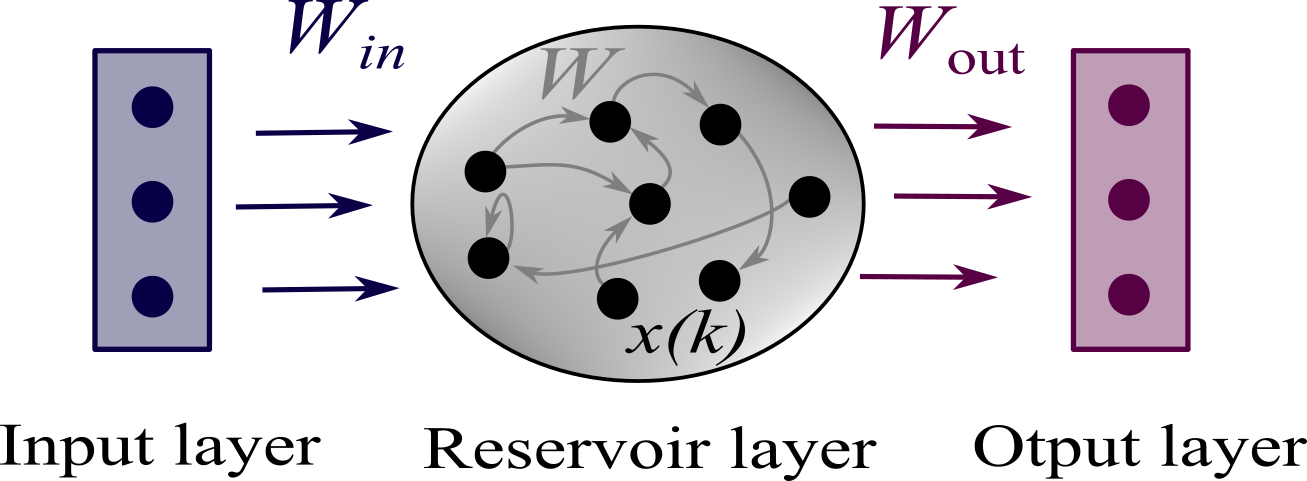
Using the nonlinear dynamics of physical systems to process temporal information with minimal training overhead.
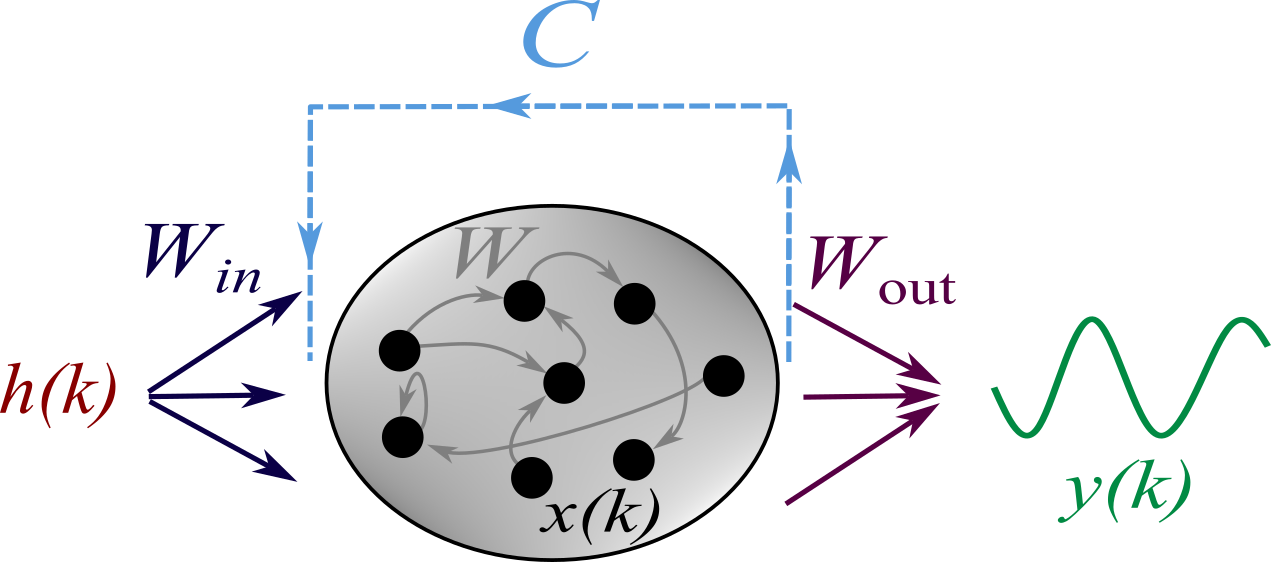
Preserving useful reservoir dynamics under measurement noise, component variability and parameter drift.
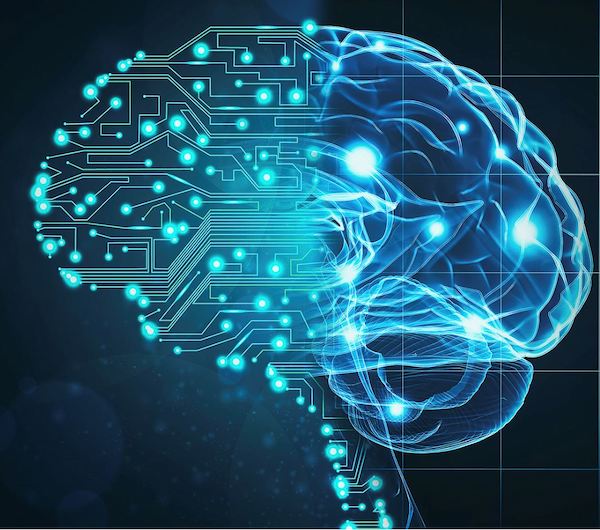
Exploring computation beyond conventional digital architectures to reduce the energy cost of intelligent systems.
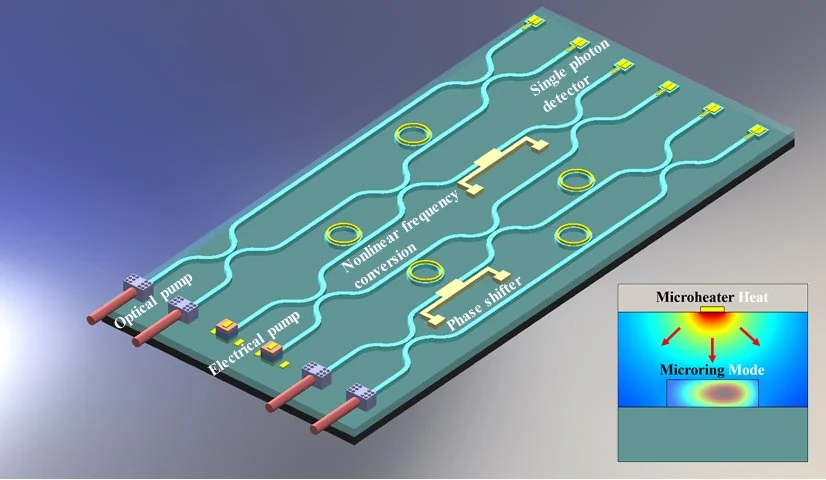
Investigating semiconductor lasers and integrated photonic systems as fast, parallel and energy-efficient computing substrates.
04 / PUBLICATIONS
Neuromorphic Computing and Engineering, 6, 034012
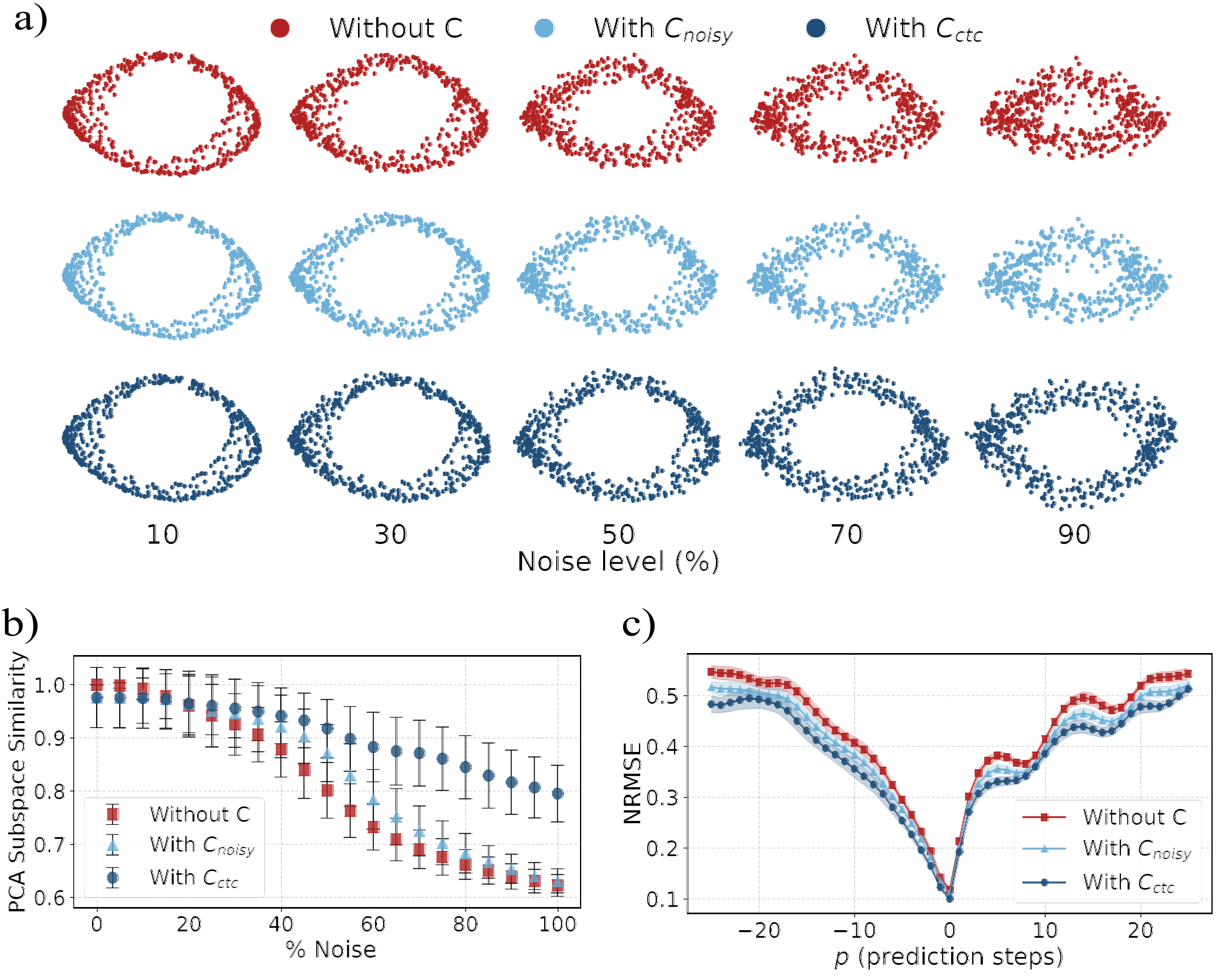
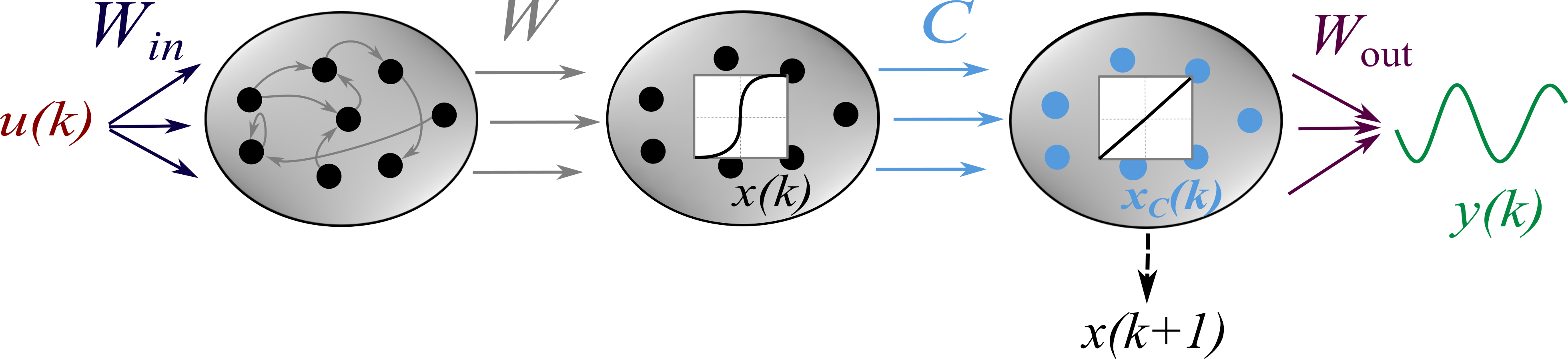
Physical reservoir states are inevitably affected by measurement noise and perturbations. The proposed cross-trial-correlation method uses the consistency of repeated responses to suppress uncorrelated noise. In numerical simulations, it extends the reservoir’s operating range under additive state noise and parameter drift compared with standard conceptors and unconstrained reservoirs.
IEEE World Congress on Computational Intelligence (WCCI 2026)
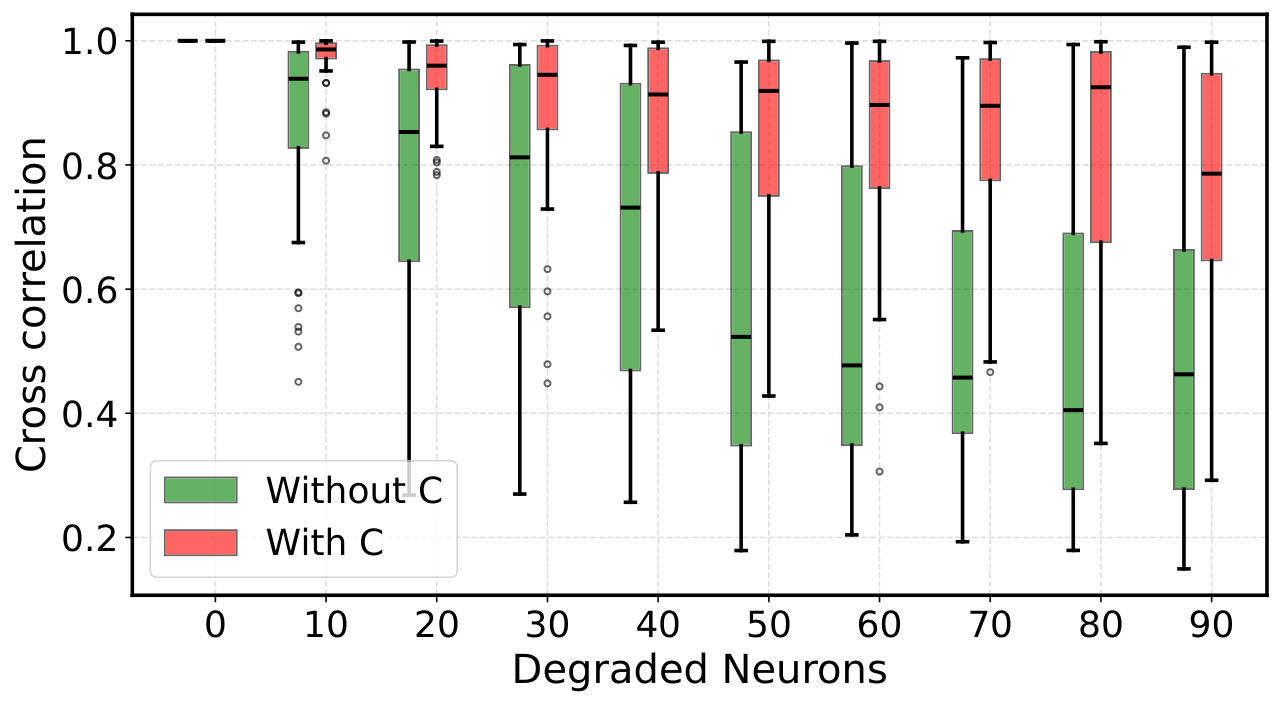
Numerical experiments with leaky echo state networks test conceptors against additive state noise and progressive neuron degradation during autonomous sine-wave generation. The conceptor suppresses perturbations and preserves performance as neurons fail, without retraining the readout after degradation.
CLEO/Europe–EQEC · Munich, Germany
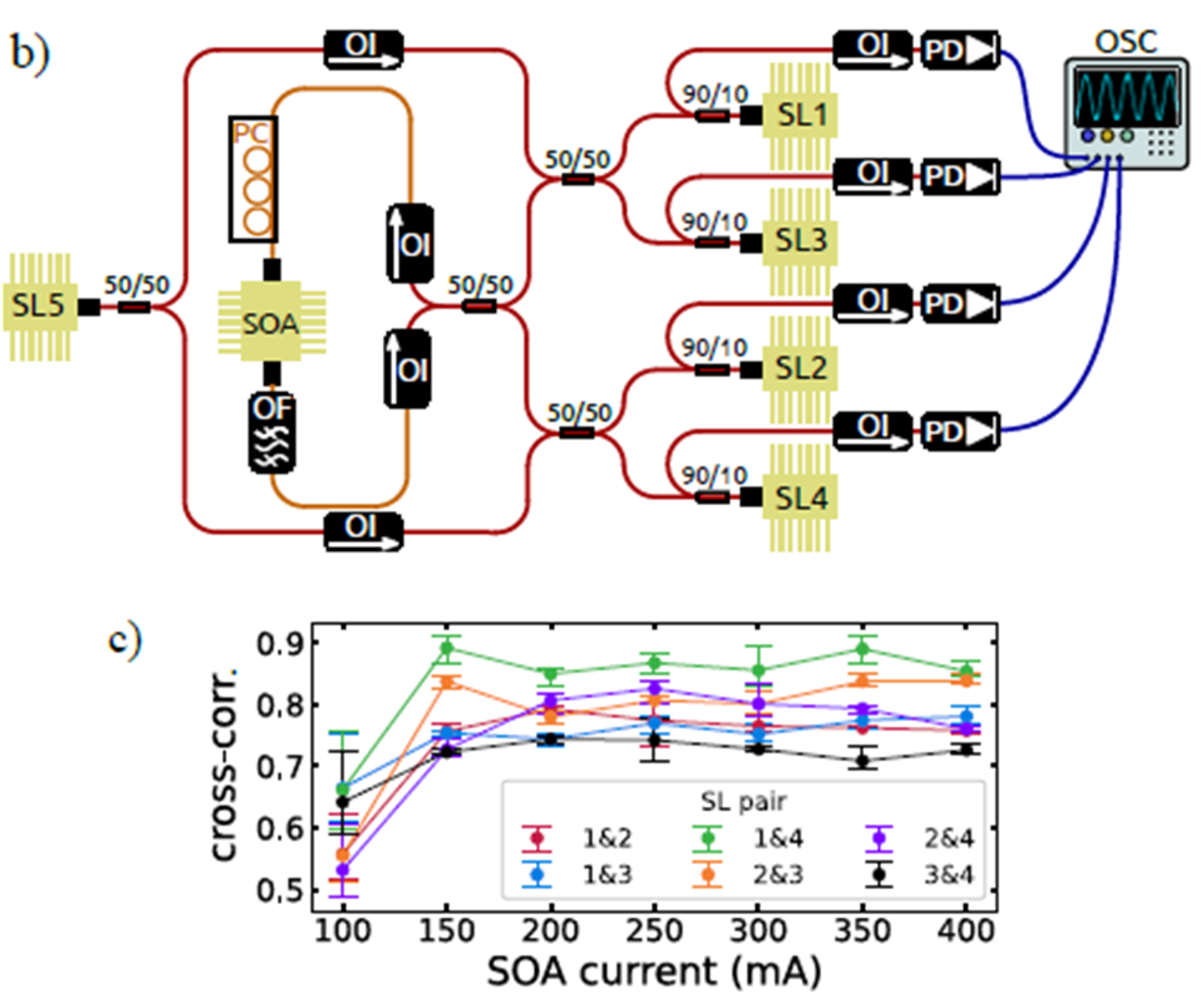
The study combines numerical simulations with an experimental all-to-all-coupled fibre network of semiconductor lasers. It examines how heterogeneity and synchronization shape information processing, providing design insight for future integrated photonic systems for physical computing.
Universitat de les Illes Balears · Physics
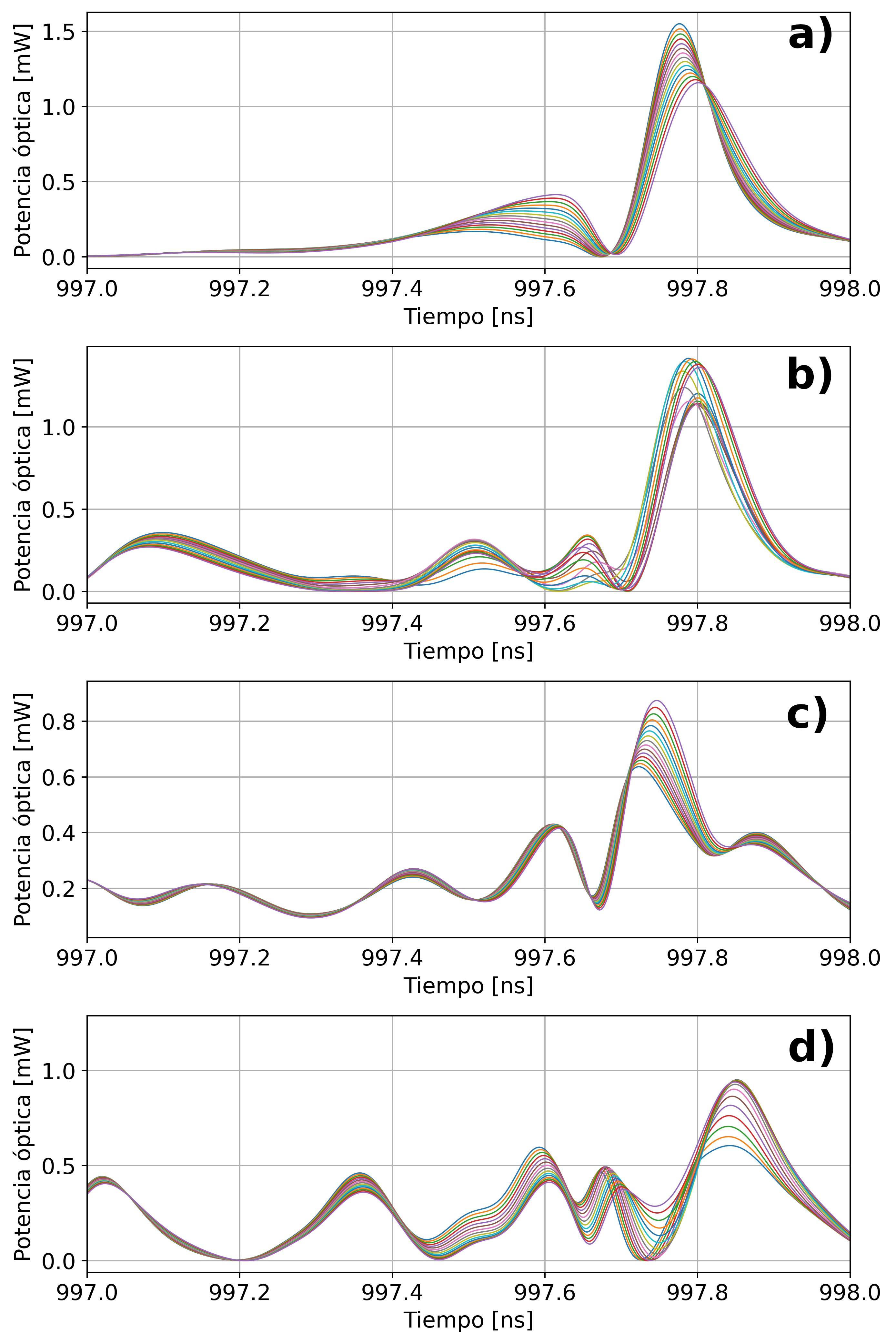
Numerical simulations of networks with two and sixteen coupled lasers identify conditions for complete synchronization and transient desynchronization. The results also show that these networks can increase the dimensionality of an input signal, supporting complex computation and applications in reservoir computing.
05 / DISSEMINATION
Conferences, posters and
scientific exchange.
RCC 2026 · TU Berlin, Germany
Three days focused on dynamical systems, machine learning, physical implementations and the growing international reservoir computing community.
WCCI 2026 · Maastricht, the Netherlands
“Improving Hardware-Based Reservoir Robustness Using Conceptors,” presented in the special session on scalable and energy-efficient AI.
MLPH 2026 · Lake Como, Italy
“Noise-Robust Conceptors for Physical Reservoir Computing,” connecting robust algorithms with physical photonic computing systems.
06 / GET IN TOUCH
For research conversations, conferences and collaboration.
gemmainfantes@ifisc.uib-csic.es